
Cross-posting a story from Trauma Rescue Aid, revealing the intense struggle and impossible reality Sudanese refugees in Uganda are facing (source):
A Child We Knew in Safe Space
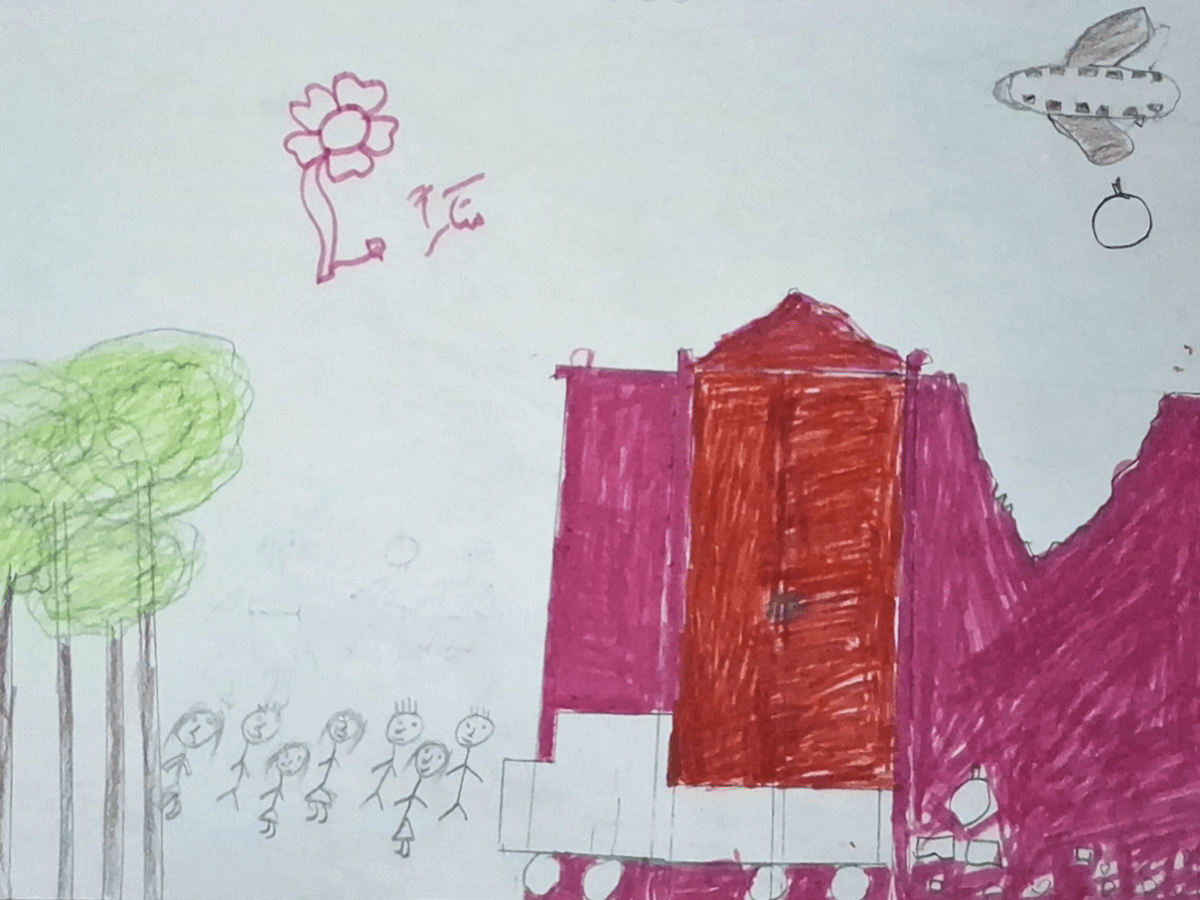
Azmi was one of the Sudanese children from Kordofan who attended the Trauma Rescue Aid (TRAID) Children’s Safe Space Center in Uganda. He participated in the Children’s Drawing and Storytelling Program, which provided children affected by the war in Sudan and displacement with a safe place to play, draw, tell their stories, and express their feelings through art therapy. For children who have experienced war and displacement, drawing can help them express things that are difficult to explain in words. Through their drawings, children shared memories of their homes, families, schools, and the lives they had before the war. Azmi was one of those children. He was a cheerful little boy who loved school and enjoyed drawing. He also missed his father, who had remained in Sudan while Azmi lived in Uganda with his mother and younger siblings.
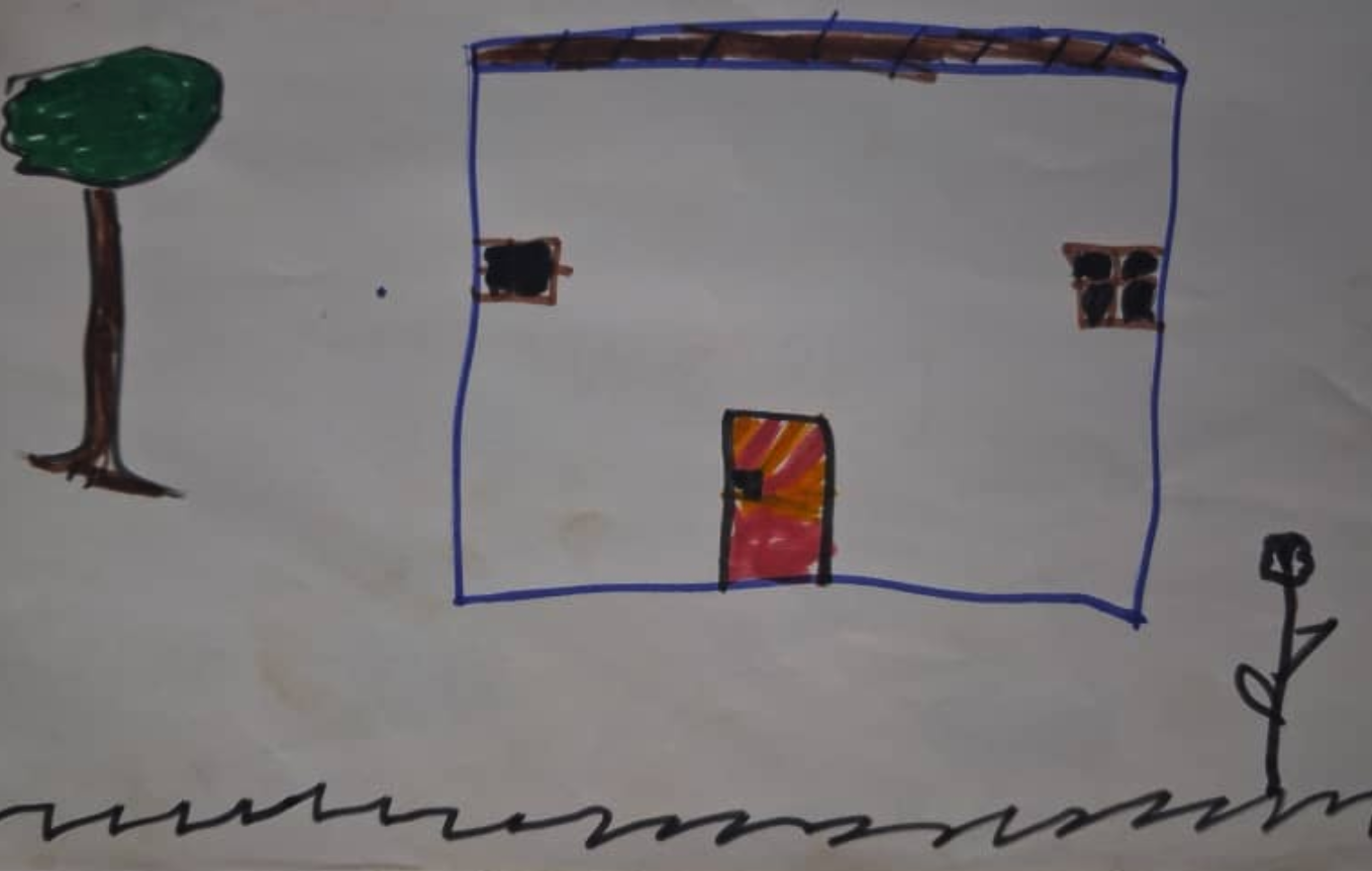
One of the drawings Azmi left with us showed a simple picture of a house, trees, the sun, and clouds. At the time, it was simply a child’s drawing. Today, after everything that happened, that drawing carries a much deeper meaning.
For three years, Azmi lived away from home as a refugee in Uganda. His mother, Malaz, was caring for her three young children: six-year-old Azmi, his three-year-old sister, and his eleven-month-old brother. Their father remained in Sudan.
About three weeks ago, Azmi left Uganda with his mother, Malaz, his three-year-old sister and his eleven-month-old brother to return to Sudan. Life had become very difficult for the family in Uganda because of the lack of humanitarian support, and Azmi’s father was no longer able to support them with food. The family felt that returning to Sudan was the only option they had.
About three weeks ago, Azmi left Uganda with his mother, Malaz, his three-year-old sister, and his eleven-month-old brother to return to Sudan. The family had been struggling to survive in Uganda due to the lack of humanitarian assistance, and Azmi’s father was no longer able to provide enough support for their food and other basic needs.
Despite the ongoing conflict in Sudan, his mother felt returning home to do firming in their family land was the only option she had to provide food for her children. She did not return because Sudan had become safe place. She returned because she was trying to find a way for her family to survive.
They travelled by road through South Sudan and entered Sudan. On 19 August 2026 the family continued their journey through El Fula towards their home village in Abu Zabad in West Kordofan, where Azmi’s father was. On their way, their vehicle was stopped by armed men at night. The armed men robbed the passengers of their belongings and later opened fire on the vehicle. Azmi was shot twice in the chest and died there in the vehicle beside his mother.
According to the account given by Azmi’s mother to TRAID, their vehicle was stopped by armed men at night. The men robbed the passengers of their belongings and later opened fire on the vehicle. Azmi was shot twice in the chest and died there in the vehicle beside her.
The child who had survived the outbreak of war and displacement in 2023, spent three years away from his home, and was finally making the long journey back with the hope of seeing his father again was killed before he could reach home. Azmi had already lost three years of his childhood to war and displacement. He had lived far from his father, carrying the simple hope that one day he would see him again. That day was almost within reach. He was travelling home to reunite with his father, but the journey ended before that moment could come.
For Malaz, the suffering did not end when the gunfire stopped. She continues to carry the deep emotional wounds of losing her six-year-old son beside her. She carries the memory of that night, the pain of a journey that was supposed to bring her family together, and the trauma of returning home without the child she had tried so hard to protect.
The Protection of Children Is an Obligation Under International Law
Azmi’s story is not only a story of loss. It is also a reminder that children and other civilians affected by armed conflict are protected under international humanitarian law. International humanitarian law requires parties to armed conflicts to distinguish between civilians and those taking part in hostilities and to protect civilians from the effects of conflict.
Article 4 of Additional Protocol II to the Geneva Conventions provides fundamental guarantees for people who are not taking part in hostilities. It prohibits violence against their life, health, and physical or mental well-being, including murder. It also specifically states that “Children shall be provided with the care and aid they require.”
These protections are particularly important because children are especially vulnerable during armed conflict. The ICRC commentary on Article 4 explains that authorities have a duty, in areas they control, to protect children from the consequences of hostilities and to help prevent both physical injury and psychological trauma.
The United Nations Convention on the Rights of the Child also requires states to respect international humanitarian law relevant to children during armed conflict. Article 38 requires states to take feasible measures to ensure the “protection and care of children” affected by armed conflict.
International law also recognises that surviving violence is not the end of a child’s suffering. Article 39 of the Convention on the Rights of the Child calls for measures to promote the physical and psychological recovery and social reintegration of children who have experienced armed conflict, abuse, torture, or other serious harm.
These obligations matter for children like Azmi and for the thousands of Sudanese children who continue to live with the consequences of war, displacement, separation from family, loss of education, hunger, fear, and trauma.
The Trauma Carried by Women and Children Must Not Be Forgotten
The suffering caused by Sudan’s war cannot be measured only by the number of people killed or injured.
There are also wounds that cannot be seen. Children who witness killings, lose parents or siblings, flee their homes, or live through repeated violence can carry fear and painful memories long after an attack has ended.
Women are also carrying an enormous burden. Many mothers have fled with children while husbands and other relatives remain behind. Some have lost children, partners, parents, homes, and livelihoods. Many are caring for traumatized children while also trying to cope with their own grief and trauma. Malaz now has to live with the memory of seeing her six-year-old son killed beside her. Her surviving children must continue growing up after witnessing the loss of their brother. This is why mental health and psychosocial support must be treated as an essential part of the humanitarian response to Sudan. Food saves lives. Shelter saves lives. Medical assistance saves lives. But people who have witnessed terrible violence also need help to recover psychologically, rebuild relationships, regain a sense of safety, and continue with their lives.
TRAID Calls for Action
Trauma Rescue Aid (TRAID) calls on the United Nations, African Union, international humanitarian organizations, donor governments, human rights bodies, and all parties with influence over the conflict in Sudan to take stronger and urgent action to protect civilians, particularly children and women.
TRAID calls on all parties to the conflict to respect international humanitarian law and end attacks against civilians. Children and families travelling on civilian roads must be protected. Civilian homes, schools, health facilities, humanitarian services, and other civilian spaces must not become places of fear and violence.
We call on international humanitarian agencies and donors to increase assistance for Sudanese refugees and displaced families. Families should not be forced to choose between hunger and returning to areas where their lives may be at risk.
We particularly call for greater investment in mental health and psychosocial support for women and children. Children who have witnessed killings, displacement, family separation, recruitment, sexual violence, and other forms of abuse need long-term support, not only emergency assistance. Mothers who are caring for traumatised children while carrying their own trauma also need accessible and culturally appropriate psychological support.
TRAID also calls for greater support for safe spaces, education, family reunification, child protection, healthcare, and community-based psychosocial programmes for Sudanese children affected by war.
The international community must also support independent documentation and accountability for serious violations against civilians. Those responsible for unlawful killings and other serious violations must not be allowed to believe that attacks against civilians will simply be forgotten.
International law already establishes protections for civilians and children.
The urgent challenge is to make those protections real.
A six-year-old child should be able to travel with his mother without being shot.
A mother should not have to choose between being unable to feed her children in displacement and returning them to a conflict-affected area.
Children are not participants in this war. They should never be made to pay its price.
Please stand with Trauma Rescue Aid. No matter how big or small your gift, they need your support. It all adds up for Sudanese families doing their utmost to survive as refugees far from home. Thanks to all who offer tangible hope and a lifeline for them: gofundme.com/traid2024
MORE FROM TRAUMA RESCUE AID
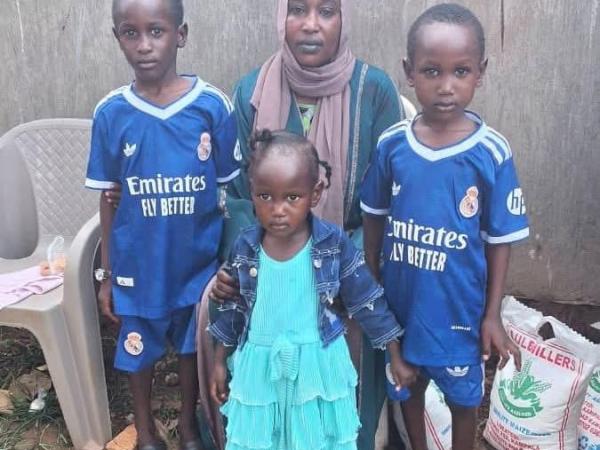
Sarah’s Story: Get to Know One Beneficiary of TRAID’s Food Distribution Program
Sarah’s experience is personal, and it should not be assumed that every Sudanese person experiences war in the same way. But her story sits within a much wider crisis affecting women and girls across Sudan.
#Sudan #KeepEyesOnSudan #Refugees #IDPs #Women

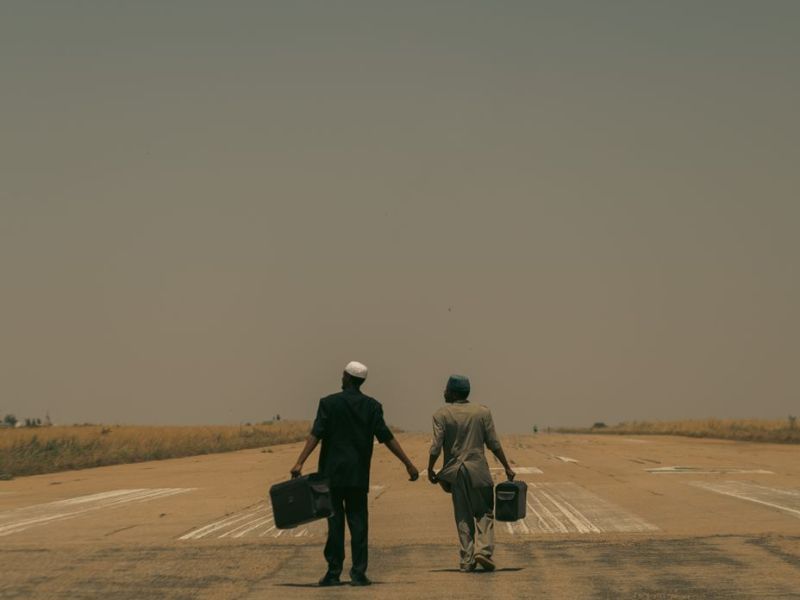
#WalkinSolidarity2026, June 29-30
Though I surpassed my goal of walking 5 kilometers per day in June, the 162 kilometers I walked was only 8% of the journey from Nyala, Sudan to Mukono, Uganda that 13 year old Khamis* and his family took to survive.
We did not reach the goal of raising $4,000 USD for July food distribution…
#WalkinSolidarity2026, June 24
On unexpected reunions, warm smiles, and Sudanese journeys. Today’s artwork comes from a 12 year old girl from El-Fasher.
#refugees #Sudan #solidarity #reunions #hope #future #ElFasher #AlFashir #children #artwork
Something went wrong. Please refresh the page and/or try again.


Leave a comment