
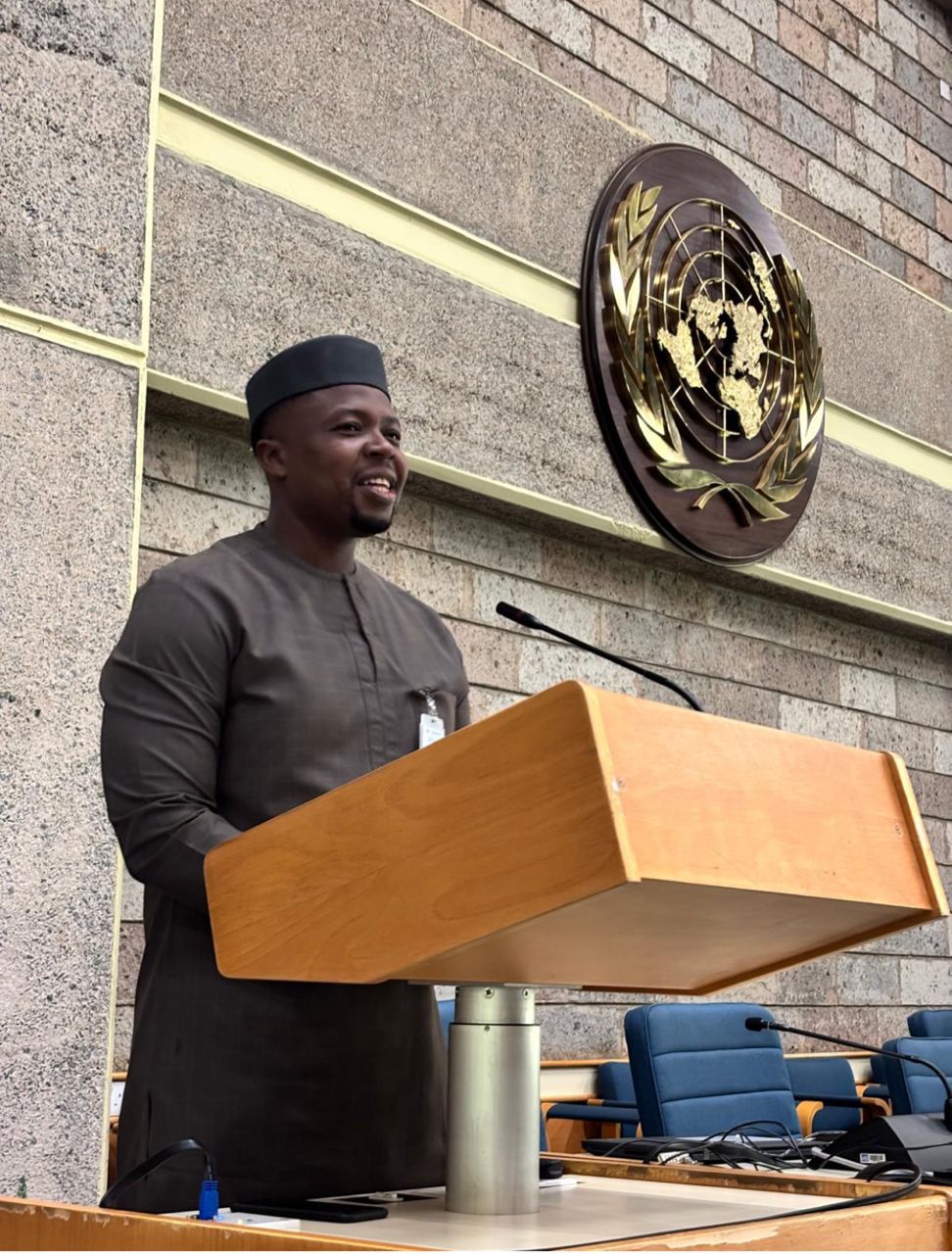
Cross-posting this speech by my colleague Moses Abolade in Nigeria (source):
Dear Peace Leaders,
As I spoke with young leaders during recent Youth, Peace and Security engagements, one truth became unavoidable: the world is modelling the wrong kind of leadership.
In the first phase of the ongoing Middle East war this February and March 2026, reports indicate that the United States spent roughly $700–800 million in the first 24 hours alone on military operations. Globally, military spending already exceeds $2.7 trillion annually.
Pause and reflect.
What would $800 million do if redirected?
It could fund thousands of schools.
Strengthen fragile health systems.
Support millions of young entrepreneurs.
Expand peace education across vulnerable regions.
Stabilise food systems.
Build resilient infrastructure.
Instead, we fund destruction faster than we fund development.
No geopolitical argument justifies the permanent loss of human life. No strategic interest replaces a child, a parent, a future. The rubble we see today is evidence of where the world has chosen to invest.
This is precisely why our peace education work at Peace Education and Practice Network (PEPNET) is deliberate. We are not raising loud leaders. We are raising responsible ones. Leaders who understand that restraint is strength. That justice sustains peace. That security without development is fragile. That power without empathy is dangerous.
To young African leaders: do not copy the aggression you see on the global stage. Do not confuse dominance with leadership. Africa does not need strongmen. It needs builders. Builders of institutions. Builders of systems. Builders of trust.
Learn negotiation. Practise dialogue. Protect human dignity. Design policies that prioritise justice, security and inclusive development. If you inherit power, use it to heal, not to intimidate.
To those grieving in this war, my deepest condolences. The world owes you better.
And to global institutions, including the United Nations: peace cannot remain a speech. It must become a spending priority.
History will judge this generation of leaders not by how fiercely they fought, but by how courageously they prevented war.
The real question is simple:
What are we investing in; destruction or humanity?
Moses ABOLADE,
Your Peacebuilding Consultant and Ambassador
Peace Education and Practice Network (PEPNET)
Peace Catalyst International,
The Peace Pad & World Citizen Peace Ambassador Center
MORE FROM PEACE CATALYST
12 Days of Peace Online Events, 9/21~10/2
In a world that seems rife with fear, division, and violence, what does it look like for Christians to live lives guided by hope and mercy? Join us between the international days of peace and nonviolence for 12 days of virtual conversations, workshops, and collective discernment. Online and open to all!
#internationaldayofpeace #internationaldayofnonviolence #event #onlineevent…
Healing Harms: From Trauma to Everyday Resilience (online small group), Sept-Oct 2026
This weekly interactive course led by trauma-sensitive peacebuilders runs in September and October and is designed for everyday people who want to navigate difficult experiences with greater awareness and care.
Introduction to Christian Peacebuilding (online courses), Sept-Oct 2026
“Blessed are the peacemakers, for they shall be called children of God.”
Join this 6-week, online small group beginning next month for an introduction to peace-oriented theology, conflict transformation & peacebuilding skills.
Something went wrong. Please refresh the page and/or try again.


Leave a Reply