

Advocacy is an action taken to influence social, political, or economic change. There are a multitude of ways to engage in advocacy, from speaking up for your own needs or that of your neighbor, volunteering with local organizations to resolve community challenges, or mobilizing your friends to work together for positive change. Here are just a few examples:
- Social Advocacy
- Neighborhood canvassing (getting to know your neighbors) to share community skills, assets, and resources
- Organizing a speaking series at your local library highlighting diverse neighbors to learn from their stories
- Hosting block parties, neighborhood potlucks, or interfaith peace feasts to broaden and strengthen social connection
- Asking your local community center, park management, or church board for use of space to host a swap-meet, start a community garden, or launch a food pantry
- Political Advocacy
- Writing a letter to your city council requesting their attention or assistance with a community concern (i.e. lack of recycling services in your neighborhood); Next level – attend city council meetings to follow up on your letter
- Writing, calling, or meeting government representatives to share ideas, support a policy, or make requests (find your members of US Congress); Next level – send a letter to the editor of your local paper to rally community support
- In-depth research and writing policy recommendations on an issue you care about; Next level – write an op-ed, organize people to educate the community, and promote your policy recommendations to the right decision makers
- Collecting signatures to bring a referendum or initiative to the ballot in your state; Next level – host an event on the initiative and invite local media to amplify your efforts
- Economic Advocacy
- Shop and eat as locally as possible to support local businesses and ecologically sustainable supply chains
- Stop buying products (boycott) when you learn about exploitation or labor abuse in the supply chain; Next level – organize a boycott with clear and achievable goals
- Studying government budgets to understand the implications of how your taxes are being used; Next level – engaging in any form of protest or tax resistance against unethical use of your tax dollars
- Divest your personal savings or investments from businesses who produce weapons, harm health and the environment, profit from prisons or prison labor, exploit communities or workers, or support unethical policies; Next level – ask your institutions to divest, too!
TAKE ACTION

Call Congress: No Funds for War with Iran
Congress has not authorized this war of choice, despite our tax dollars paying for it. With the Pentagon confirming the war costs at least $1 billion per day and the Trump administration may request additional funding, legislators need to hear from constituents that War is Not the Answer and we will not pay for it.
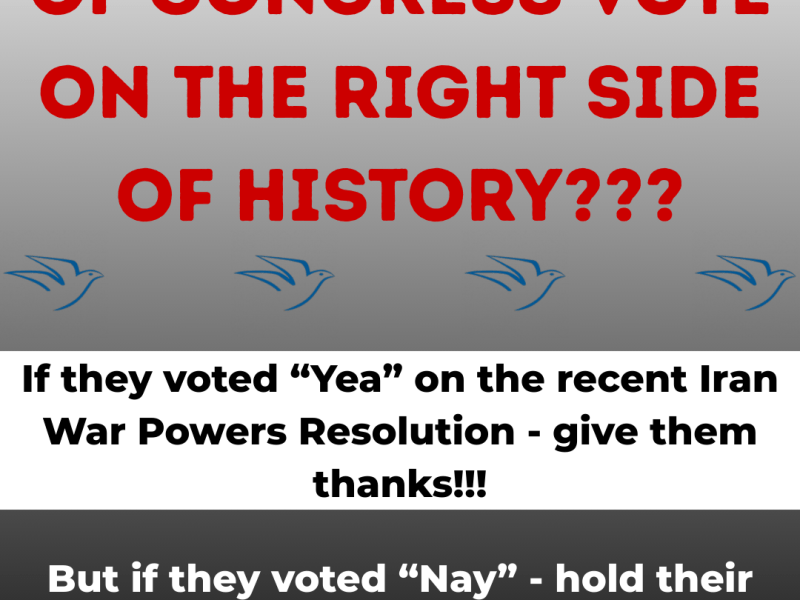
Did your Representatives in Congress vote against war in Iran?
23 years after the invasion of Iraq, the USA has launched another war of choice – this time against Iran. Thank your representatives if they voted to end the war in Iran. If they did not, let them know you’re disappointed.
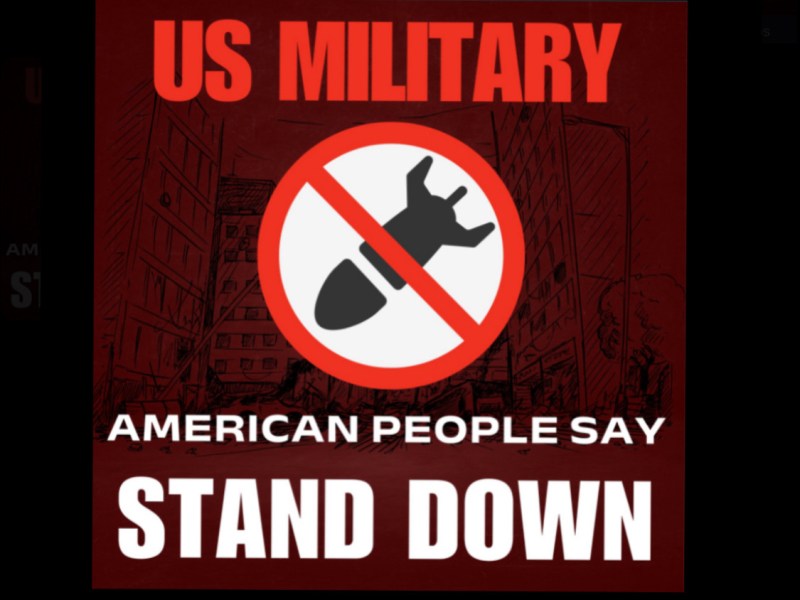
War Powers Vote in the Senate Today
The US Senate plans to vote on the Iran War Powers resolution today. We need to raise our voices in support of ending this war.
Something went wrong. Please refresh the page and/or try again.
LEARN MORE
ℹ️ Find your members of US Congress
To advocate effectively, it’s important to know your representatives and establish relationships with them. American friends, you can find your representatives through the link above.
💻 Understanding the Inner Workings of US Foreign Policy
This webinar gives an insightful look at different branches of the United States government and our interest in weapons sales and war. Who profits? Who lies? Who pays? Who dies? See the presentation slides HERE.
✌️Korea Peace Advocacy
This link introduces the unended Korean War and includes action items and resources to learn and advocate for peace in Korea.
🇸🇩 Advocacy for Sudan
This link includes actionable items and campaigns to end the war in Sudan which began on April 15th, 2023.

 Seeds Will Grow
Leave a reply to Korea Peace Advocacy, June 2025 – Seeds Will Grow Cancel reply