

In our Korea Peace Study Group this month, we welcome a special guest, representing an organization called Truth Reconciliation and Peace (TRP). Reverend Samuel Shinn is a Korean American scholar, retired pastor, peace and social justice advocate with 86 years of life experience. He was born in Northeast China (Manchuria), lived over 20 years in Korea, and immigrated to the United States in 1966. He visited the DPRK in 1991 as part of a National Council of Churches delegation.
Rev. Shinn co founded the TRP to learn and amplify the hidden history of massacres committed before and during the Korean War. He has traveled to many sites in South Korea, built relationships with associations of massacre victims, and organized a lecture series with prominent scholars on this topic.
“As you dig deeper into these issues,” he told me, “you realize the entire country is a tomb.”
He is passionate about raising awareness and seeking official acknowledgement of this hidden history so it is recorded in textbooks for future generations. There is much work to be done, and he would love to share his past work and vision with others who can continue the work going forward.
Rev. Shinn will give us a 20 minute presentation before an hour of group conversation with our members. I hope you take the opportunity to learn from his extensive knowledge and experiences.
Friday, June 12 at 5 pm PT/ 8 pm ET US time
Saturday, June 13 at 9 am Korea Time
JOIN THE CALL HERE
MORE FROM KOREA PEACE STUDY GROUP

A Century of Queer Korean Fiction
The August 2026 session of the Korea Peace Study Group, led by members of the queer Korean reading group, focused on the book “A Century of Queer Korean Fiction”
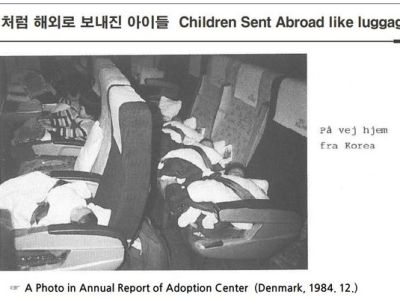
Korea’s Truth & Reconciliation Commission: Intercountry Adoption
July 2026’s Korea Peace Study Session focused on the topic of South Korea’s Truth and Reconciliation Commission, particularly their work on the human right violations committed through intercountry adoptions.
Rev. Samuel Shinn on Massacres in South Korea before and during the Korean War
In the June 2026 session of the Korea Peace Study Group, we heard from Samuel Shinn, one of the co-founders of Truth Reconciliation and Peace. He shared about massacres committed in South Korea before and during the Korean War.
Something went wrong. Please refresh the page and/or try again.
 Seeds Will Grow
Leave a comment