

December 1st is the 37th annual World AIDS Day.
I grew up in Mozambique in the 1990s and early 2000s. Like people of my generation all across the world, but particularly in Sub-Saharan Africa, I watched people I loved get infected with HIV/AIDS. They didn’t talk about it openly, as there was so much stigma in society.
At the time, an HIV diagnosis was a death sentence. Uganda was one of the worst affected countries, with so many people dying that coffin-makers had a thriving business. Children across Africa were being orphaned at such a high rate that they overwhelmed the traditional extended-family care systems. In the years they should have been able to rest and enjoy life, Grandparents were grieving the deaths of their adult children while struggling to just keep their orphaned grandchildren fed. Kids were unable to afford an education. Child labor increased. The orphanage industrial complex emerged as a solution, however problematic.
When I returned to the USA for college, I learned of a US government program called PEPFAR, which worked with governments around the world to provide prevention and treatment to end the public health scourge of HIV/AIDS.
Started in 2003 by President George W. Bush, “PEPFAR stands out as one of the most effective and cost efficient U.S. foreign aid programs, delivering remarkable results while accounting for just 0.08% of federal spending in 2024. Over the course of its history, the program has placed 20.6 million people on life-saving antiretroviral treatment, reached 2.3 million adolescent girls and young women with comprehensive HIV prevention services, provided 83.8 million people with HIV testing services, and allowed 7.8 million babies to be born HIV-free” (Source).

PEPFAR programs did not come soon enough for some of my friends, who succumbed to HIV/AIDS in the coming years. Each year on December 1st, I think of them – the sound of their laugh, the twinkle in their eyes – and try to keep their memories alive.
PEPFAR programs have prevented tens of millions of people from contracting new infections, including millions of babies who would have contracted the disease from their mothers, and has provided treatment for millions of people living with HIV/AIDS – transforming their diagnosis from a death sentence to a chronic illness they can treat while living a full life. I know people who are alive today because of these programs.
Americans would do well to remember that pandemics are not isolated incidents. We live in an interconnected world, and when one part suffers, all are eventually impacted. President Bush’s brand of “compassionate conservatism” called for global solidarity in the fight against HIV/AIDS, not from an idealistic starting point, but from a realist understanding that American public health is only as strong as global public health.
Earlier this year, when President Trump came into office, he paused all HIV/AIDS funding for 90 days. Due to PEPFAR funding disruptions, “In Mozambique, the number of people receiving antiretroviral treatment fell by around 40 per cent… One woman living with HIV in Mozambique told UNAIDS: ‘It feels like the ground has been ripped out from under our feet. Before, we had places to go, people to talk to, and we knew someone cared.’ (Source)”
The Trump administration later reinstated PEPFAR funding under the Department of State, but an estimated 150,000 people are believed to have died worldwide due to the pause in PEPFAR funding (Source).
The Trump administration is now proposing for the 2026 budget a 39% funding cut for this life-saving program that had us on track to end the HIV/AIDS pandemic by 2030. With this year’s funding disruption, experts believe that target is now out of reach (Source).
Senators barely prevented Trump’s cuts to PEPFAR in July’s recision package (see how advocacy prevented these cuts here), but the budget battle is not over. American friends, please continue to encourage your Senators and Congressional Representatives to support and maintain funding for PEPFAR. Cuts to this program mean tragic, preventable deaths and huge losses in the battle against a global epidemic. None of us wants to return to the days where HIV/AIDS ravaged entire communities around the world.
American friends, call or email your representatives today, telling our leadership that PEPFAR funding matters. It matters for our friends around the globe. It matters for our public health here at home.
No cuts to PEPFAR! End HIV/AIDS by 2030!
Find your Senators here:  tinyurl.com/us-senator
Find your Representative here: tinyurl.com/find-us-rep
MORE ADVOCACY ACTIONS
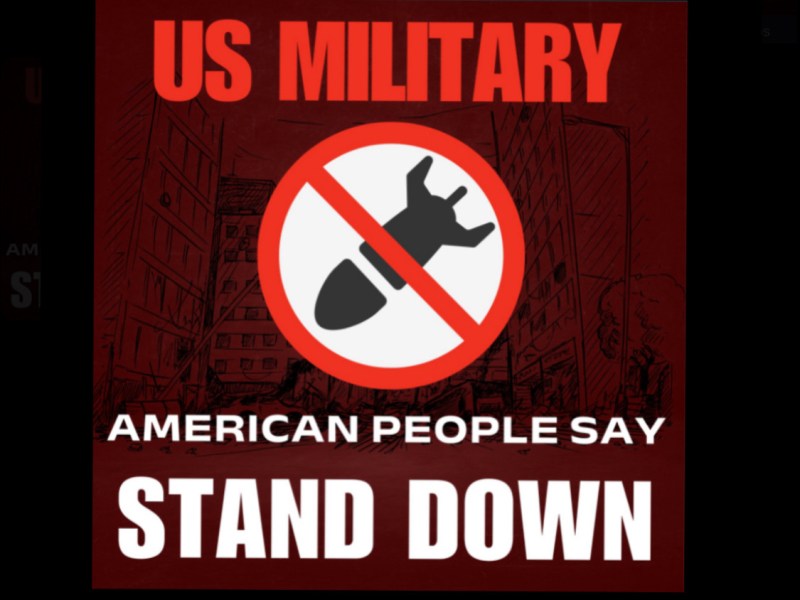
War Powers Vote in the Senate Today
The US Senate plans to vote on the Iran War Powers resolution today. We need to raise our voices in support of ending this war.
No War with Iran
70% of Americans do not support a war with Iran. Raise your voice so your leaders know they are going to war without the backing of the people.
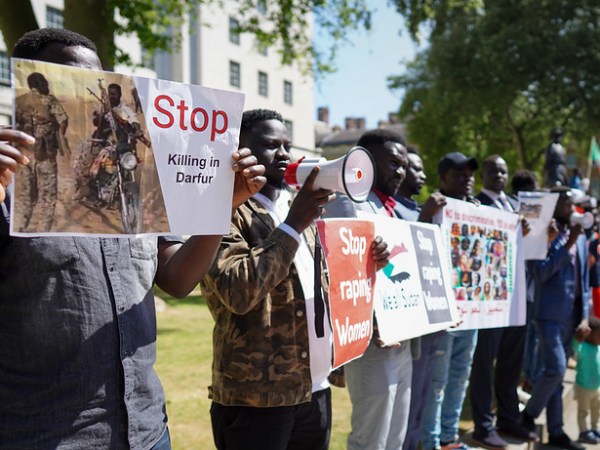
Please help end the genocide in Sudan; My husband and his family are Sudanese
Join me in asking the US government to stop sending weapons to the proxy players in genocidal violence against Sudanese people.
Something went wrong. Please refresh the page and/or try again.
 Seeds Will Grow
Leave a comment