
Category: Peacebuilders
-
Cartoon Recap of South Korean Martial Law in 2024 and 1980

The following South Korean comic takes us into the mind of a soldier during martial law in Seoul, December 2024 – then time travels back as an observer of martial law in Gwangju, May 1980 – returning to Seoul for the overturning of martial law, the people’s protests, and the impeachment of the President -…
-
The Magi’s Nonviolent Resistance

The Magi hold a unique and often overlooked place in the Christmas narrative. Their journey, actions, and choices provide us with a profound model of nonviolent resistance and solidarity. Read more in this cross-post from Sami Awad.
-
A Call to Repentance and Hope

Cross-posting this essay by Mercy Aiken. It is a call to repentance and hope–and what she is learning from our Palestinian siblings in Christ.
-
2024’s Top Ten Nonviolence News Articles

Ten of 2024’s best articles from Waging Nonviolence, a news source focusing not just on the problems facing our world, but the solutions — specifically the ones put forth by ordinary people and the movements they build to push for change.
-
The Nonviolence of Jesus

Gandhi said, “The only people who don’t realize that Jesus was nonviolent are the Christians.” Listen to this recent podcast discussing the nonviolence of Jesus by the Metta Center for Nonviolence and Fr. John Dear.
-
Crisis in South Korea: Understanding the Turmoil Rocking South Korea’s Democracy

This webinar, directed toward an American, Christian audience, provides some context for South Korea’s martial law situation, which has been in the news lately, and offers some ways for Americans to stand in solidarity with South Koreans.
-
The Myth of Redemptive Violence

Back in 2017, Robert Koehler wrote this op-ed in response to the Trump administration’s missile strikes in Syria – presenting other options to violent military action.
-
Crisis in South Korea, Webinar 12/18 @ 8 pm ET

The South Korean President declared martial law on December 3rd. The world watched with amazement as the Korean people rallied to their National Assembly in the middle of the night. Lawmakers pushed through police, and soldiers to gain access to their parliament and voted to overturn martial law within hours. What lies underneath this strong reaction? What’s…
-
Reflections on the Myth of Korea’s “Single-Ethnic Nation”
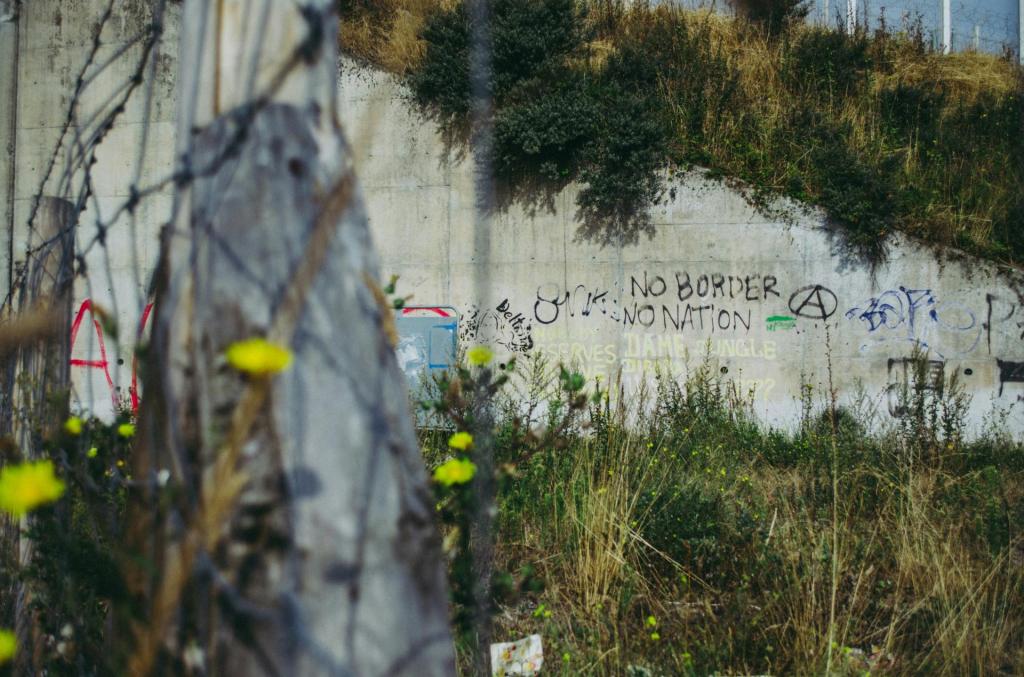
Professor Min-Ah Cho suggests that rather than focus on Korean ‘minjok,’ stories of ethnic-Koreans from the North and foreign migrants living along the margins of South Korean society must be told. Their experiences should be an important resource as we envision the future of the Korean peninsula.
-
Personal Connections to the Korean War

In the first in a three-part series on the Korean War, Munjo, Tenzin, Tasha, and Peter talk about their personal connections to the unended war, discuss the miseducation they received growing up, and share some of the ongoing suffering from the Korean War today.

