
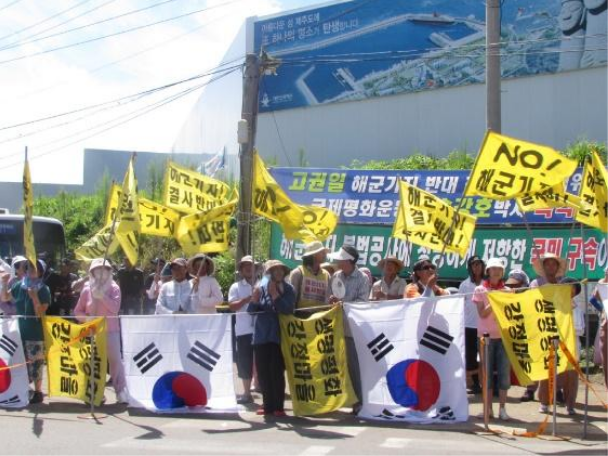
In light of April’s upcoming Korea Peace Study Group about the Jeju 4.3 Massacre, cross-posting an update from a Catholic peace activist from Jeju Island on the struggle against the modern militarization of their “Island of Peace” (source):
Joseph Shin, from Jesu Island, shared his concerns at the Catholic Peace Forum on Pope Leo’s call for a ‘disarmed and disarming peace’ on January 11th, 2026. He is a Board member of Pax Christi Korea.
Jeju Island, a UNESCO-designated World Natural Heritage site off the southern coast of South Korea, is increasingly emerging as a focal point of international concern over militarization, peace, and human rights in Northeast Asia.
Often portrayed globally as a pristine tourist destination known for its volcanic landscapes and unique culture, Jeju also carries a deeper historical and political significance. The island was officially designated as an “Island of Peace” by the South Korean government in 2005, in recognition of the tragic April 3 Jeju Uprising (1947–1954), during which tens of thousands of civilians were killed amid Cold War–era state
violence. Since then, peace, reconciliation, and demilitarization have been central to Jeju’s identity.
However, this identity has come under strain in recent years. The construction and expansion of the Jeju Naval Base in Gangjeong Village—initially justified as a means of national defense—has raised alarm among local residents, peace activists, and international observers. Critics argue that the base is not merely defensive but is increasingly integrated into broader U.S.-led regional military strategies, potentially positioning Jeju as a strategic node in rising U.S.–China rivalry.
Local communities have voiced persistent opposition, warning that militarization undermines Jeju’s peace designation, threatens fragile ecosystems, and exposes civilians to heightened security risks. Civil society groups also point to procedural concerns, including insufficient consultation with residents, environmental damage, and the criminalization of peaceful protest.
These tensions have intensified amid growing geopolitical instability in the Asia-Pacific region. As military drills expand and security alliances deepen, Jeju’s strategic location—once valued for cultural exchange and ecological preservation—is now seen by critics as a liability rather than a safeguard.
Faith-based and civil society actors, including Catholic peace movements, have increasingly brought Jeju’s situation to international attention. Drawing on global Catholic social teaching and peace traditions, they frame the issue not only as a national security debate but as a moral question: how to reconcile security with human dignity, ecological protection, and historical justice.
For international audiences, Jeju Island offers a case study in the dilemmas facing small communities caught between global power politics and local aspirations for peace. As the island navigates its future, the question remains whether Jeju can remain true to its identity as an Island of Peace—or whether it will become another frontline in an increasingly militarized region.
MORE ON KOREA
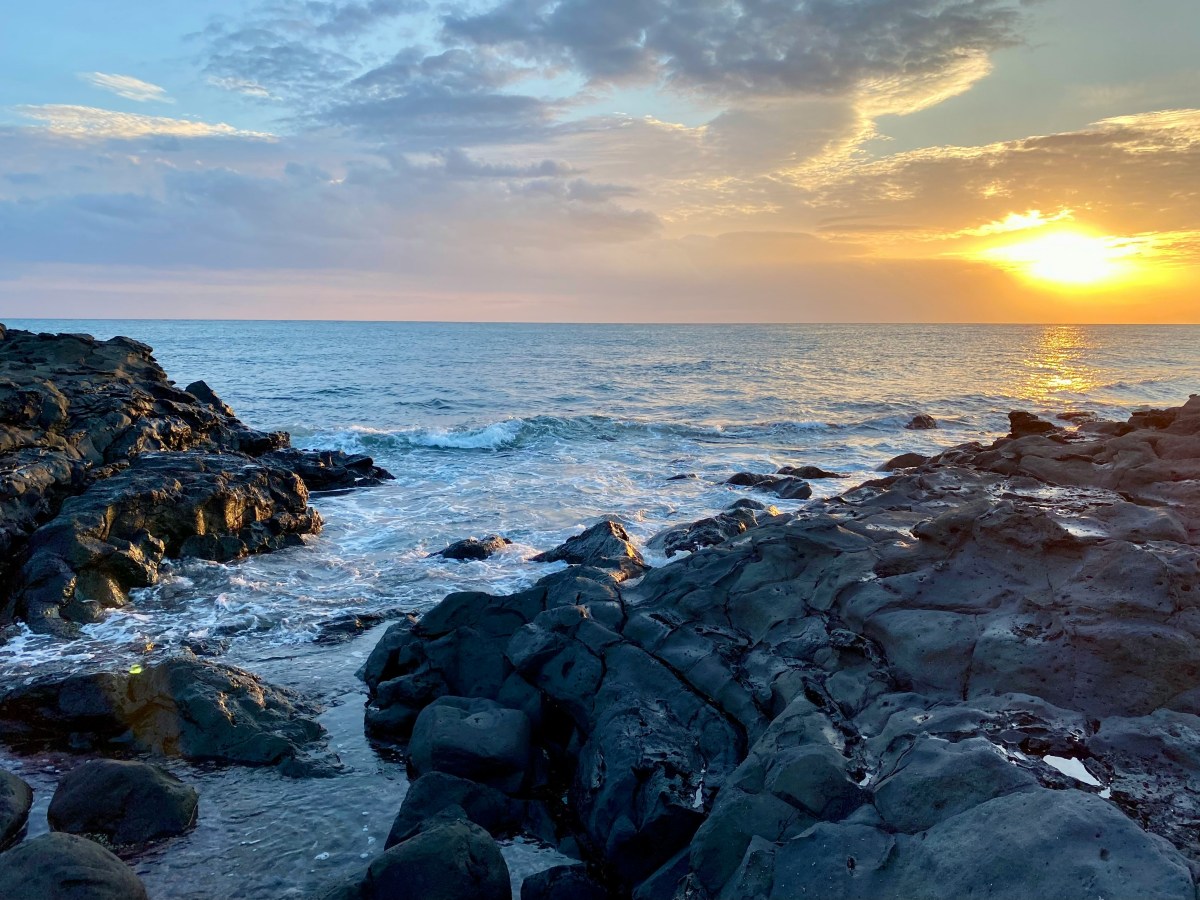
The Jeju Island 4.3 Massacre: 78 Years Later, 4/10 @ 8 pm ET
2026 marks the 78th anniversary of the 4.3 Jeju Massacre. The Korea Peace Study Group will discuss this sad history in our April Korea Peace Study Group session.

Women and War: Militarism & Camptowns in South Korea, 1/26 @ 8:30 pm ET
In this webinar, organizers and scholars will discuss the history of camptowns, human rights abuses against Korean women, and how Korean women are fighting for justice. Featuring Ko Mira, director of Sae-oom-teo, and human rights lawyer Ha Ju Hee, in a conversation moderated by Professor Ji-Yeon Yuh.
Faith, Peace, and Power Across Contexts: Uganda, Palestine, and Korea
What does it mean to follow Jesus when faith is used to justify domination, nationalism, or exclusion? And how might Christians embody a different way—the way of peace, solidarity, and hope? Three Peace Catalyst team members, rooted in very different contexts, discuss these topics in this webinar.
Something went wrong. Please refresh the page and/or try again.
 Seeds Will Grow
Leave a comment