

I know many of you are not Christians, so you may be unfamiliar with the season called “Advent.” Most Christians think of Advent as a 4-week lead up to Christmas, which it is. It is also more than that.
Catholics think of Advent as a season of penitence and preparation, a time to search our hearts and examine how our actions have harmed ourselves and others. An evangelical pastor I knew in college, named Pat Hannon, encouraged Christians to take time in Advent to think about the ways our world is broken and in need of repair. Pat used to call that “feeling the dissonance between the world as it is and as it was meant to be.”
Do you ever find yourself “feeling the dissonance”? I know I do. After “feeling the dissonance” and repenting for my role in it – I often have a deep desire to be part of healing the world – what our Jewish brothers and sisters call “tikkun olam” – in some ways similar to what our Buddhist sisters and brothers call “making merit.”
Advent is also a time when Christians look forward to Jesus’ promised second coming (which our Muslim brothers and sisters also await), a time when we expect God’s restoration, healing, and justice. I don’t know with any certainty what that day will look like, but – in the ancient, poetic words of the Jewish prophet Zechariah – I often feel like a “prisoner of hope” – stuck in the anticipation and belief that the day will come when our world is healed and whole. That hope keeps me going, like fuel for my fire. It keeps me motivated and engaged, even when the world’s dissonance bears down heavy on my heart and mind.
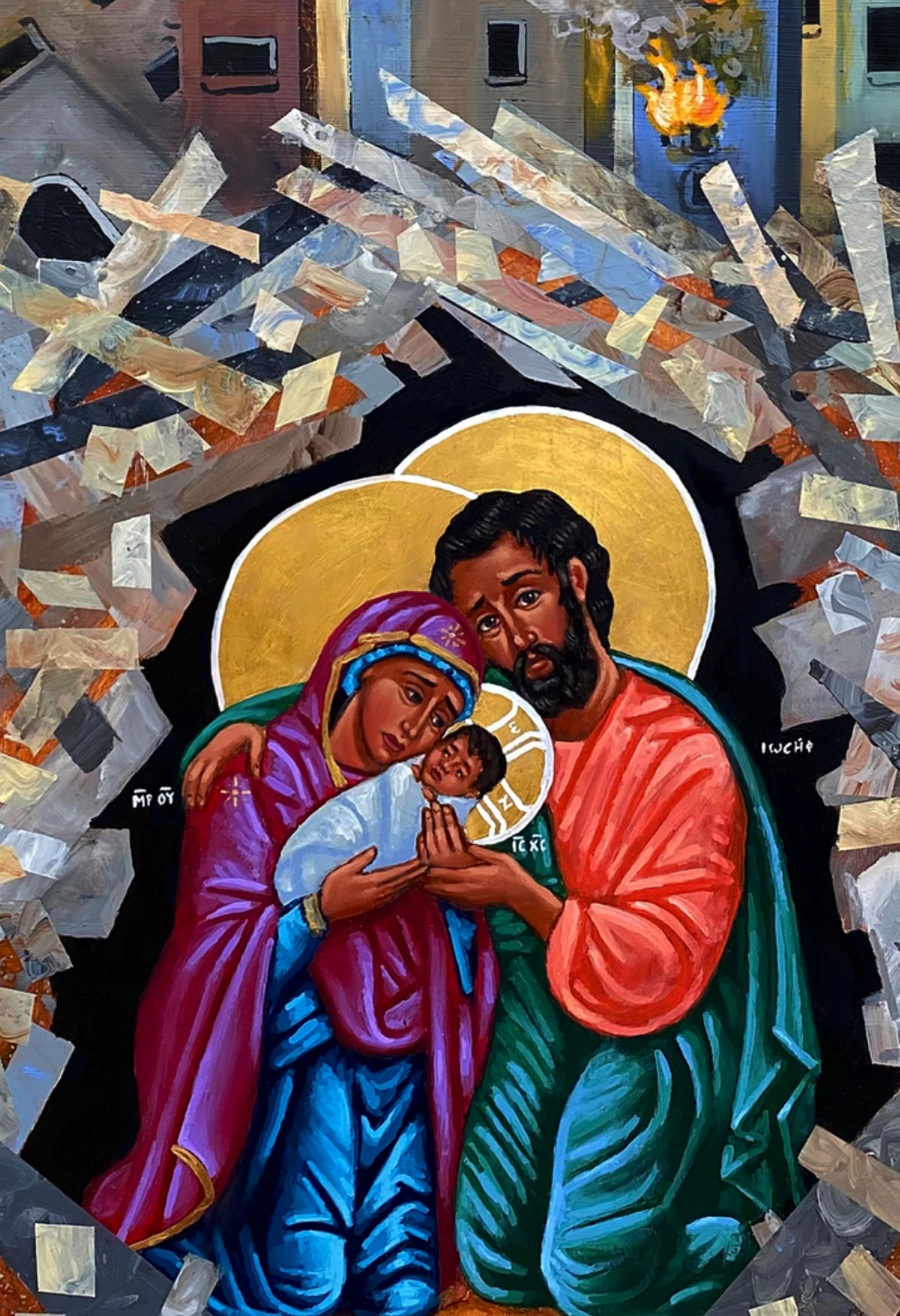
Does faith look different under empire?
Many of our Peace Catalyst International community and friends have been thinking about how Christian faith is lived differently, depending on if you’re living under oppression by an empire or living within its embrace. My colleague, Bryan Carey, wrote a little book to explore Advent themes from those vastly different perspectives.
How do we understand hope, peace, joy, and love if our religion is aligned with political power?
How would we understand differently if our faith was not aligned with political power, like Jesus and his original followers?
How does our understanding shape our living?
If those questions peak your interest, take a look at Bryan’s Advent book.
We’d be happy to hear your thoughts about it in the comments. If you like it, feel free to share it with others.
If you’d prefer to read it in weekly installments throughout Advent, sign up to receive them by email here.
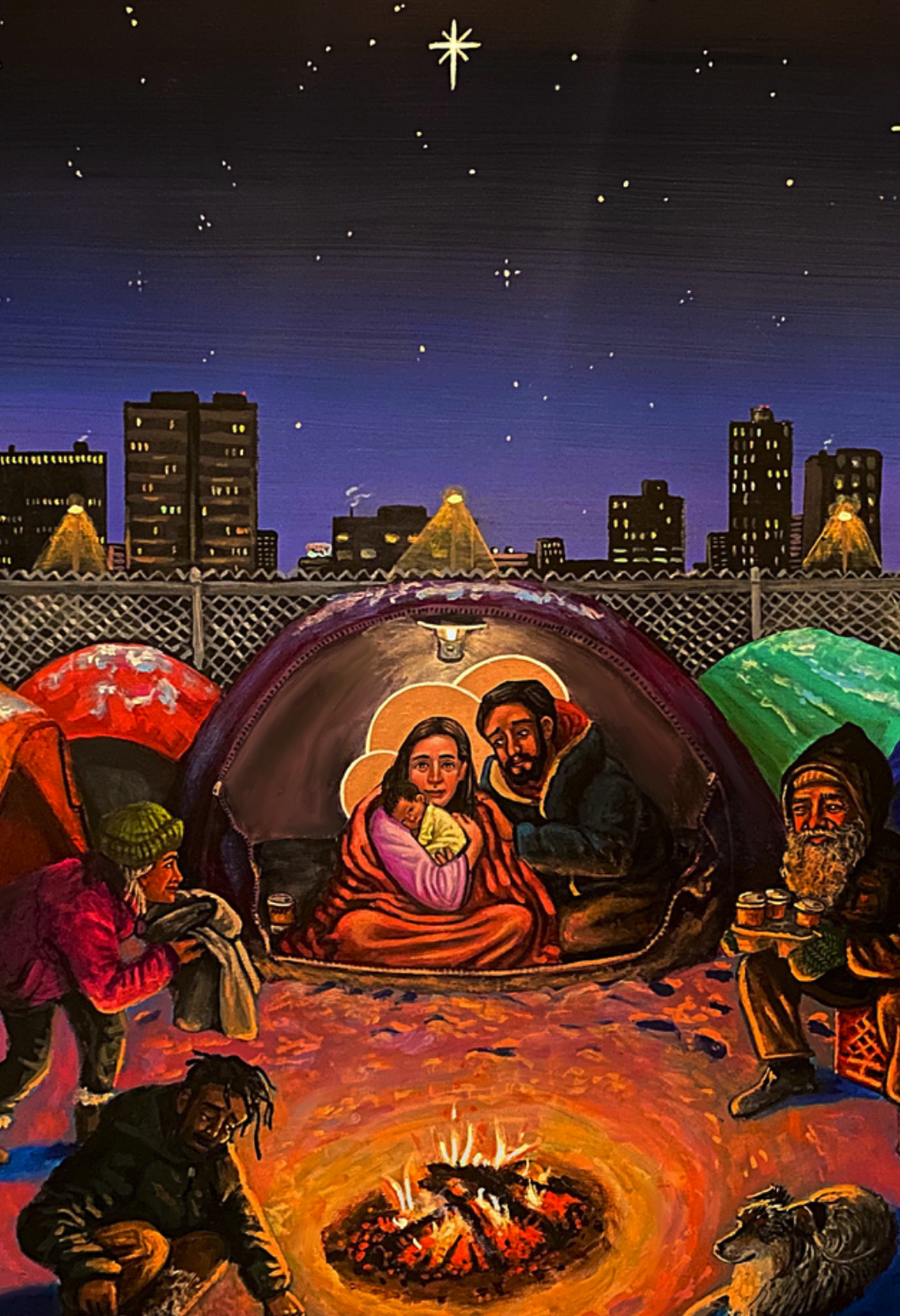
Images credit: Kelly Latimore Icons
 Seeds Will Grow
Leave a comment