

The following is an imagination exercise I wrote, based on stories I’ve heard from our family in Sudan. Please read, imagine, and take an opportunity to stand in solidarity with people like you whose circumstances have upended their lives.
Your nation imploded in a civil war when two military leaders decided to fight for control. You have nothing to do with the government or military and rarely pay attention to politics, but suddenly, bombs are dropping within earshot in your urban neighborhood. Your whole family lays low inside the house while the windows rattle, hoping that this sudden violence will all blow over within a few days. That does not happen.
Soon, there’s no more food at home. There has been no sound of drones or explosions yet today, so you risk your life to go out in search of groceries. The city appears abandoned, with stores and shopfronts either shuttered or looted. You see an open warehouse, but as you approach, you hear bursts of gunfire. Soldiers are firing on anyone who approaches to take food for their families. Adrenaline carries you back home alive, but with no food for your hungry children.
A bullet pierces through your window later that evening as your house comes under crossfire. For hours, you and the family hide under the bed, sweat soaking through your clothes as you’re crowded together in that confined space in the sweltering humidity. The power is out across the city.
When the shooting stops, you and your spouse crawl out from under the bed and have a serious conversation about how to evacuate the family. You speak softly, trying not to disturb your sleeping children under the bed. You love your home, your jobs, your children’s school, your city – but it’s not safe to stay and there’s no way to keep feeding your family.
The next day, with a dwindling phone battery, as you’re trying to call family and friends in other towns to make an evacuation plan and secure a place to stay, a soldier runs into your home. You’ve heard stories of murders and rapes – and you’ve seen the looting in the neighborhood – so you freeze at the sight of this uniformed young man with an automatic weapon. When you lock gazes with him, you notice his eyes are as wide as yours. You realize he’s afraid and running from something. You shift your gaze toward the back door, and he darts through without harming anyone.
The hunger and fear are wearing on everyone. The children are alterately fussy and bored and scared and fighting with one another. They mostly suppress their complaints, but you feel powerless to provide for them and protect them. The worry and shame keeps you awake at night, even more than your growling stomach.
The next week, a coworker manages to pick up your family in his minivan. You try to distract your children or avert their eyes as you pass the decaying bodies of a neighbor family. Your coworker drives slowly through rubble strewn back roads and evacuates you to another town which is safer.
The safety doesn’t last. Within weeks, the soldiers have brought their power struggle to this new town. The nearby stores burn to the ground as the soldiers loot, and you can’t sleep again. The walls are closing in.
A family member in another country tells you to come stay with them. You and your spouse use what savings you have to pay for travel, grateful to have had the chance to get away from the violence again. Upon arrival in the new country, you realize how unprepared you are to survive there. You don’t speak the language, and you cannot find a job. You’re fighting just to feed the children again. One of your children starts wetting the bed again. Your other child is becoming angry and disrespectful, which is infuriating you because you’re doing everything you can to make this work. You keep waking in the middle of the night to your spouse crying out from nightmares. Even you find your heart racing at the sound of a motorcycle backfiring.
You feel so relieved when your sister tells you about a refugee center that offers language courses. You enroll right away so you can get on track to get a job. Thanks to the generosity of neighbors and others in the larger community, the center is also able to offer occasional food packages to help make ends meet. You and your spouse start to attend trauma counseling, which helps you understand what’s happening in your bodies and how to support your children through this difficult time.

It can be hard to put ourselves in the shoes of others. Although we can never fully understand another person’s experience, maybe this imagination exercise helped you to get an inkling of what it may be like to seek refuge from war.
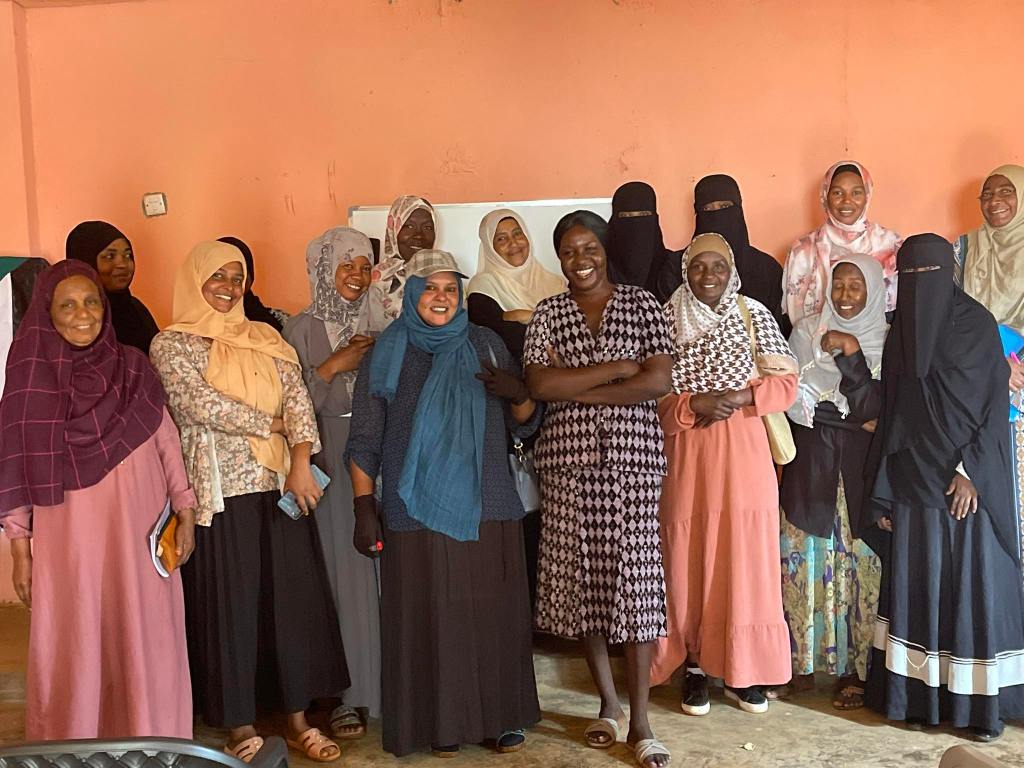
This month, I’m raising funds for Trauma Rescue Aid’s refugee center in Uganda, which is providing language lessons, trauma counseling, food, and medical care for Sudanese people who fled the war in their country. Many of them suffered violence more extreme than described in the imagination exercise above.
Would you be part of providing them some community-based support? Your financial gift will help. No amount is too small.
(If you got this far and are unable to donate, please share this post to help our fundraising efforts! Thank you!)
 Seeds Will Grow
Leave a comment